✦ The Soul of Craftsmanship ✦
✦ Handcrafted with love by women artisans ✦
✦ The Art of Detail ✦
The size or colour of a potli bag is not always the main deciding element. Similarly, the level of craftsmanship has a great bearing on the bag’s appearance, how the bag feels, and whether or not the bag is appropriate for a particular function. Crochet and Embroidered Potli Bags are two styles of potli bags that are in high demand now and while each style has a different appeal and character, the bags are similar visually and made by hand; they each have completely different styles of creation and appeal to different fashion choices.
You may have had the occasion to browse the many columns of Crochet Potli Bags and Embroidered Potli Bags, and you may have realised that the two potli styles achieve the same end but have a very different feel and appearance from each other. To know how to select the right potli for your outfit and your personal style is a major factor when deciding upon what you would like to carry with you to the particular event that you are attending.
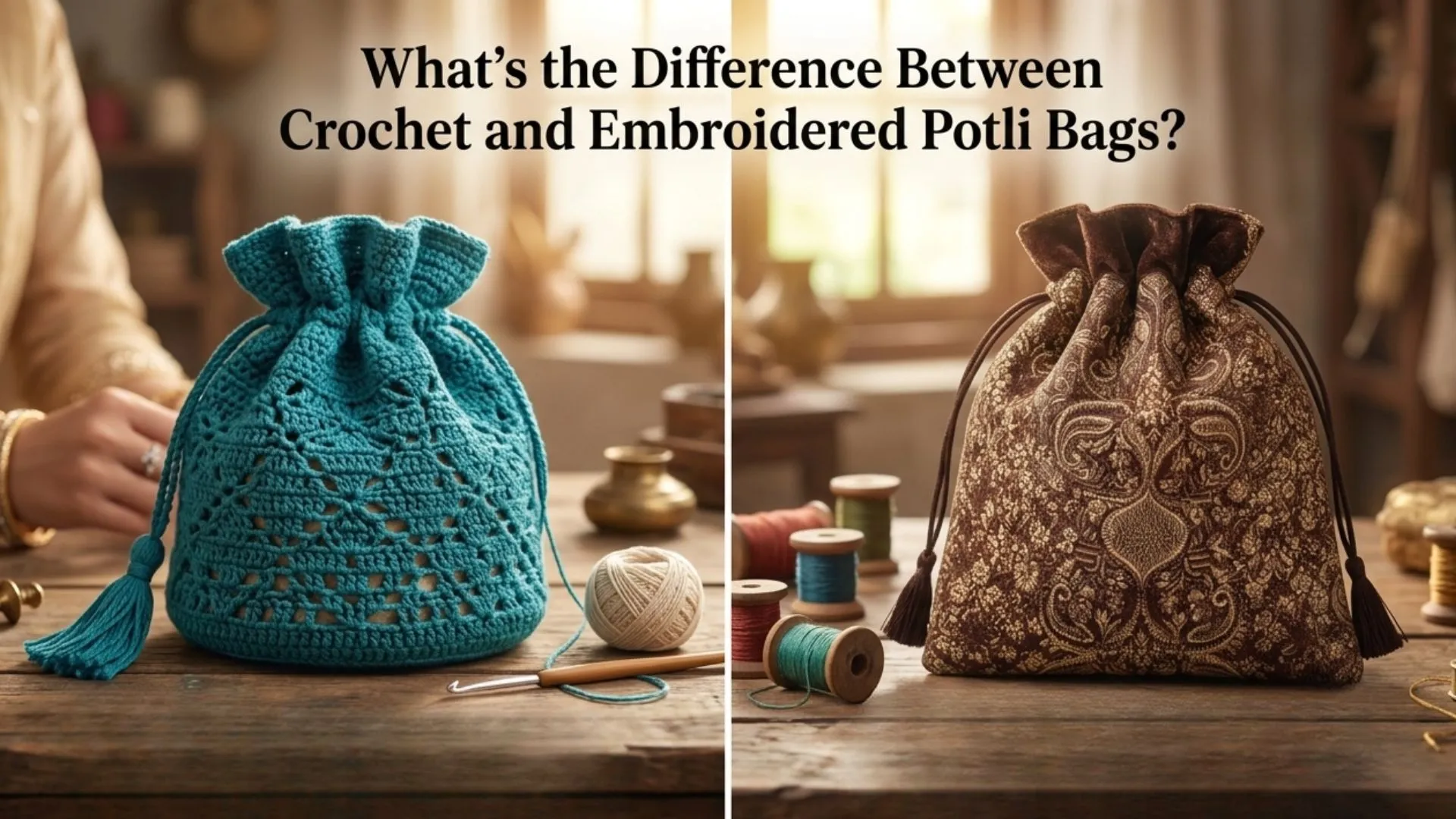
This type of bag is made with the help of a crochet hook and textile yarn. Crochet is a material that does not need support from any other fabric to work on, unlike the embroidery bags, as it produces its own backing.
Crochet Potli Bags are known for their:
The complete design has to be woven using stitches, therefore the feel of crochet bags is generally softer and looser than elaborately decorated ones.
Crochet potli bags have recently gained a great deal of popularity since it combines fashion with traditional work.
They work particularly well for:
Their handcrafted texture often becomes the focal point of the accessory rather than decorative embellishments.
Embroidery takes a totally new direction. Artisans do not make the fabric but decorate the actual fabric surface with thread, beads, mirrors, sequins or with metallic work.
The fabrics used in Embroidered Potli Bags are typically:
The decorative work is done by hand or by special embroidery.
These bags are mostly popular for:
Embroidery tends to lend a more formal and celebratory appearance to many wedding and festive accessories, which is why it is so prevalent.
The best way to tell the difference between Crochet and Embroidered Potli Bags is by the overall look of the bag.
Typically features:
Crochet stitch is its texture
Often have:
The main decoration of these bags is their surface, not texture.
Wedding styling is a function of the occasion’s formal need.
At weddings, these embroidered potli bags are frequently the style chosen as they match with heavily embellished clothing.
Works well with:
As these bags’ decoration is detailed, it compliments with wedding attire well.
Crochet Potli bags can also work for weddings, particularly for:
Their lighter aesthetic creates a more relaxed and contemporary feel.
Both styles offer practicality, but they differ slightly in how they feel and function.
Often provide:
Typically offer:
The choice depends largely on how and where you intend to use the bag.
When building an outfit, the type of potli you choose can influence the overall look.
This versatility is one reason both styles continue to enjoy strong popularity.
Both Crochet and Embroidered Potli Bags require skill, patience, and experience.
The value of both lies in the craftsmanship involved rather than the production method alone.
Your choice ultimately depends on your personal style and intended use.
Choose Crochet Potli Bags if you prefer:
Choose Embroidered Potli Bags if you prefer:
Neither option is better than the other. They simply offer different expressions of handcrafted artistry.
Having an understanding of the difference between Crochet and Embroidered Potli Bags makes it easy for the users to select a design that matches both their occasion and wardrobe. Embroidered Potli Bags offer intricate detailing and add timeless festive appeal, and crochet potli bags add versatility, texture and a contemporary, handcrafted feel.
Both of these styles highlight the beauty of the craftsmanship in their own way. So, if you are a person who wants to discover the artfully designed potli bags that honour the traditional methods and embrace contemporary design. Kirat Tjori is a brand that provides customers with handcrafted collections that help showcase the unique character of both crochet and embroidered artistry.
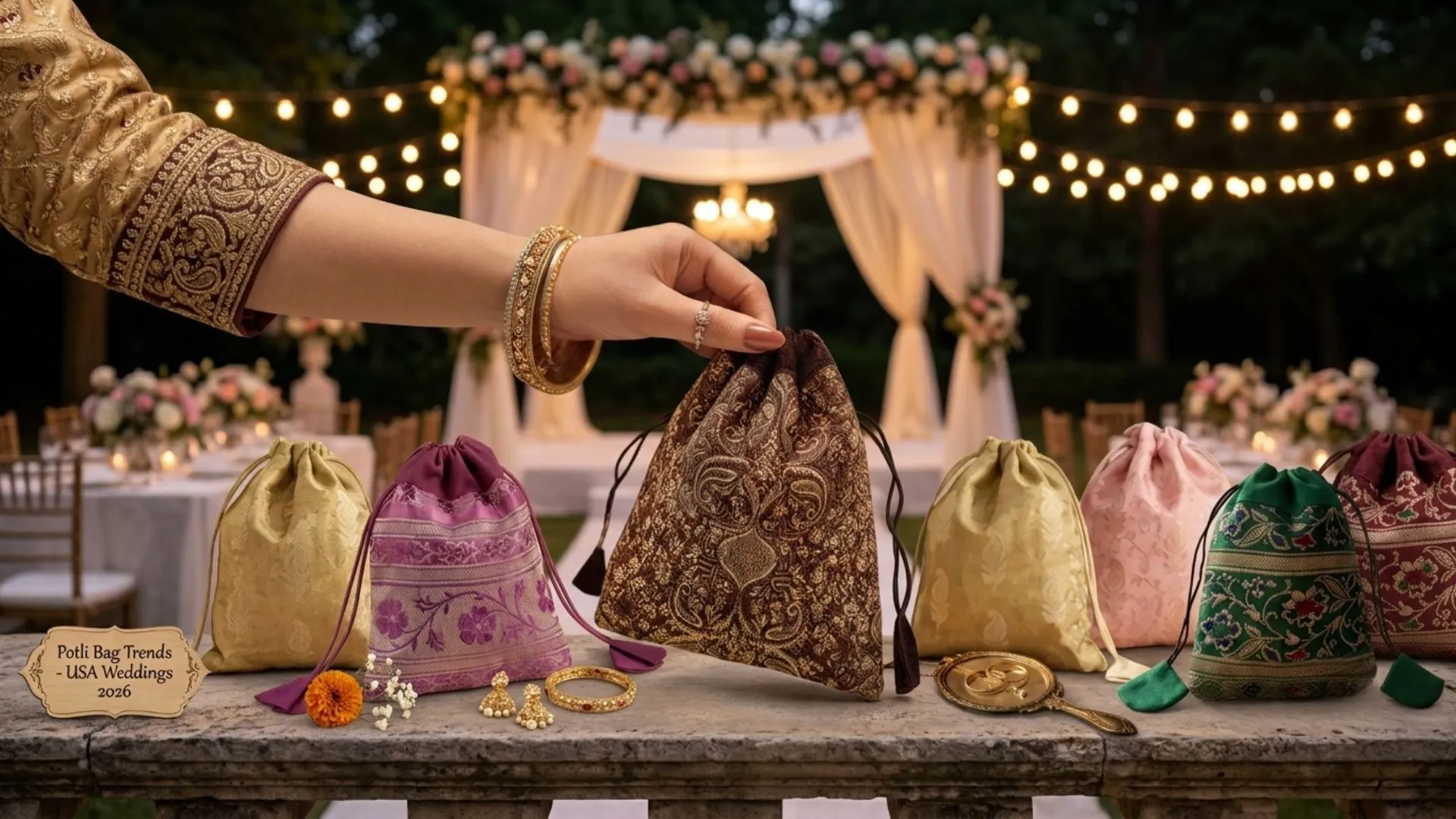
The Potli bag trends has increasingly become popular in the USA for the past few
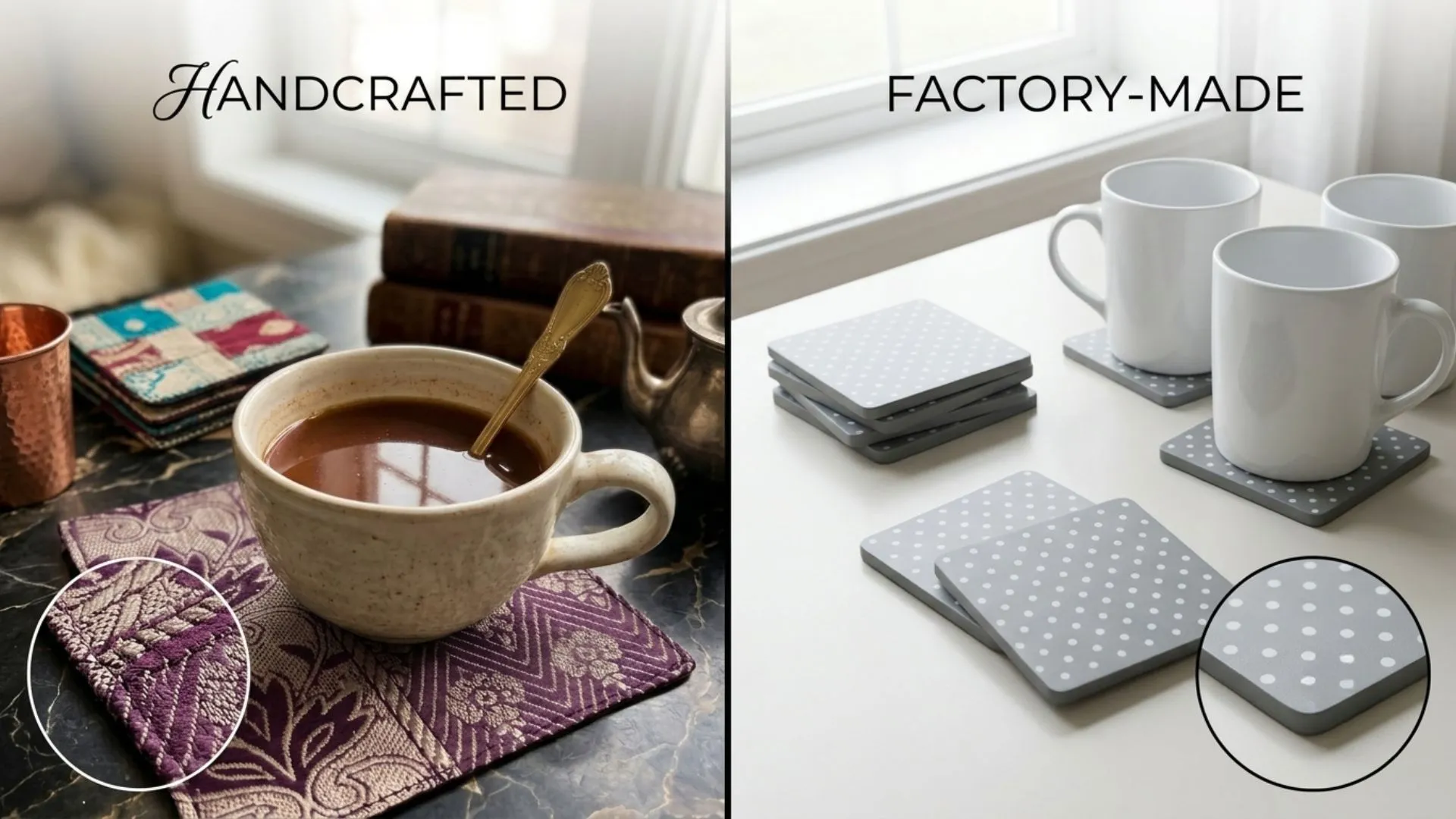
When you are looking for table decorations for coasters, it’s easy to think of all
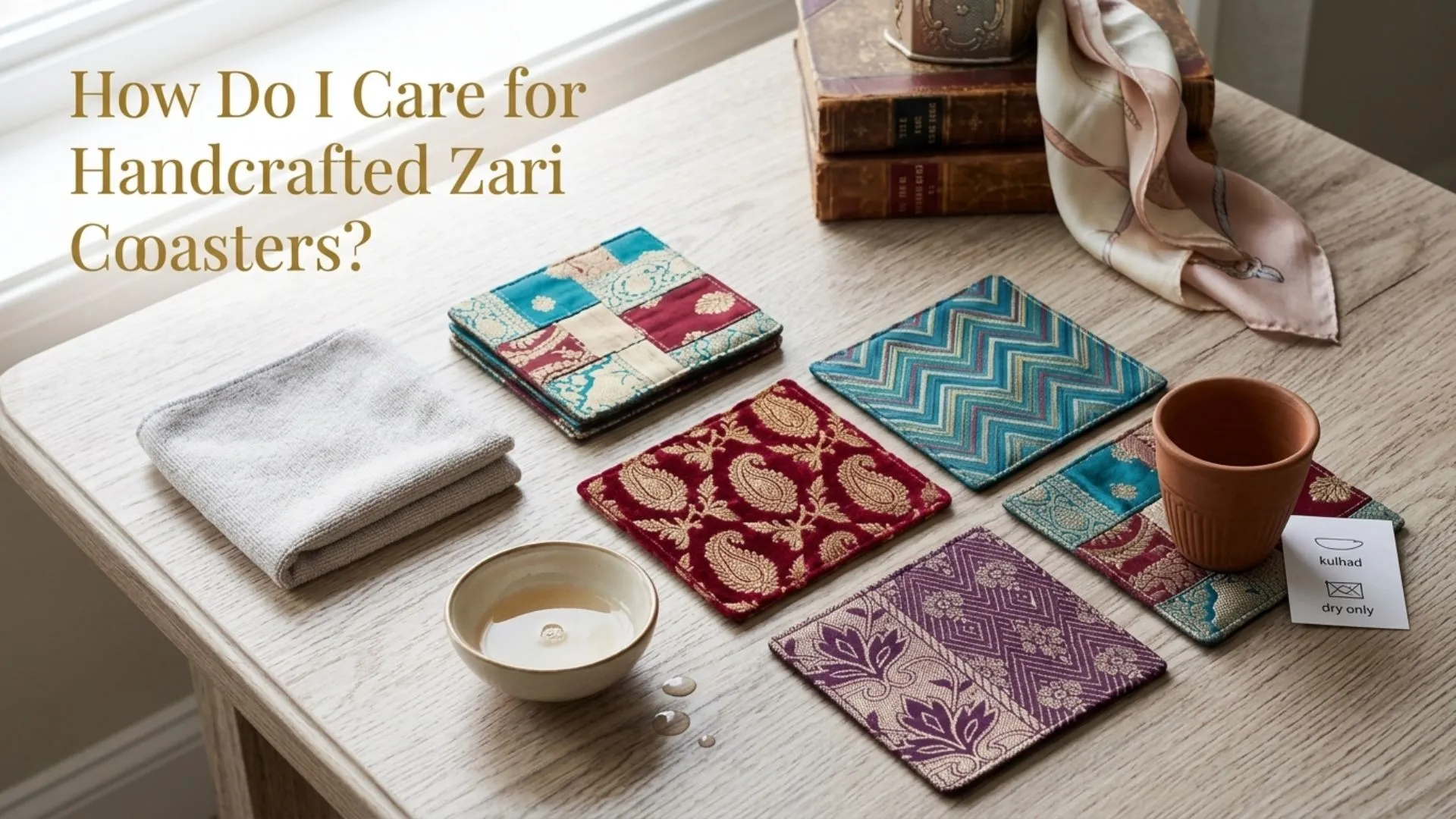
A table can be made to look more elegant with a beautiful set of handcrafted
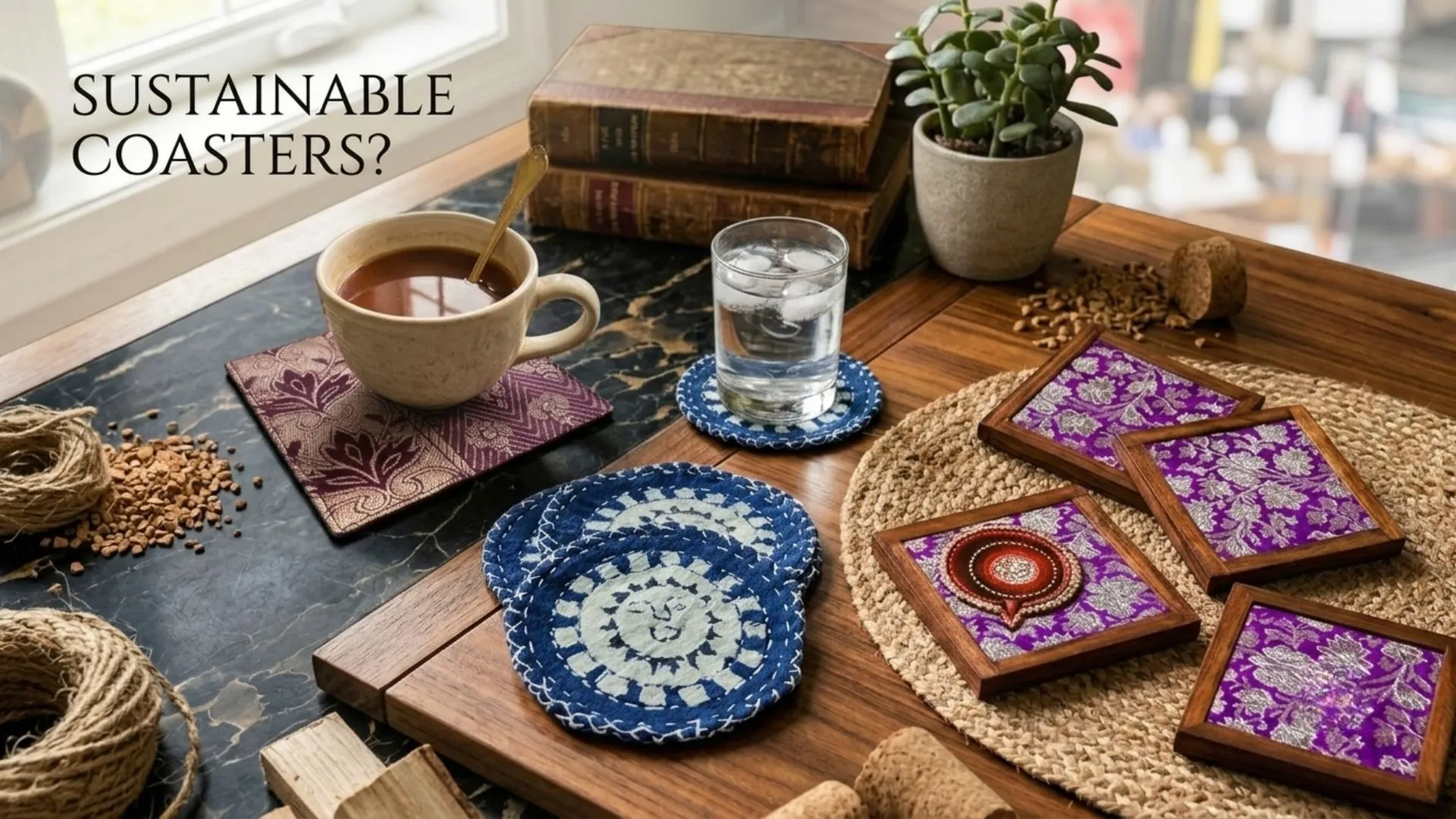
Small choices are often the factors behind the customer’s shifting their preferences to sustainable living.
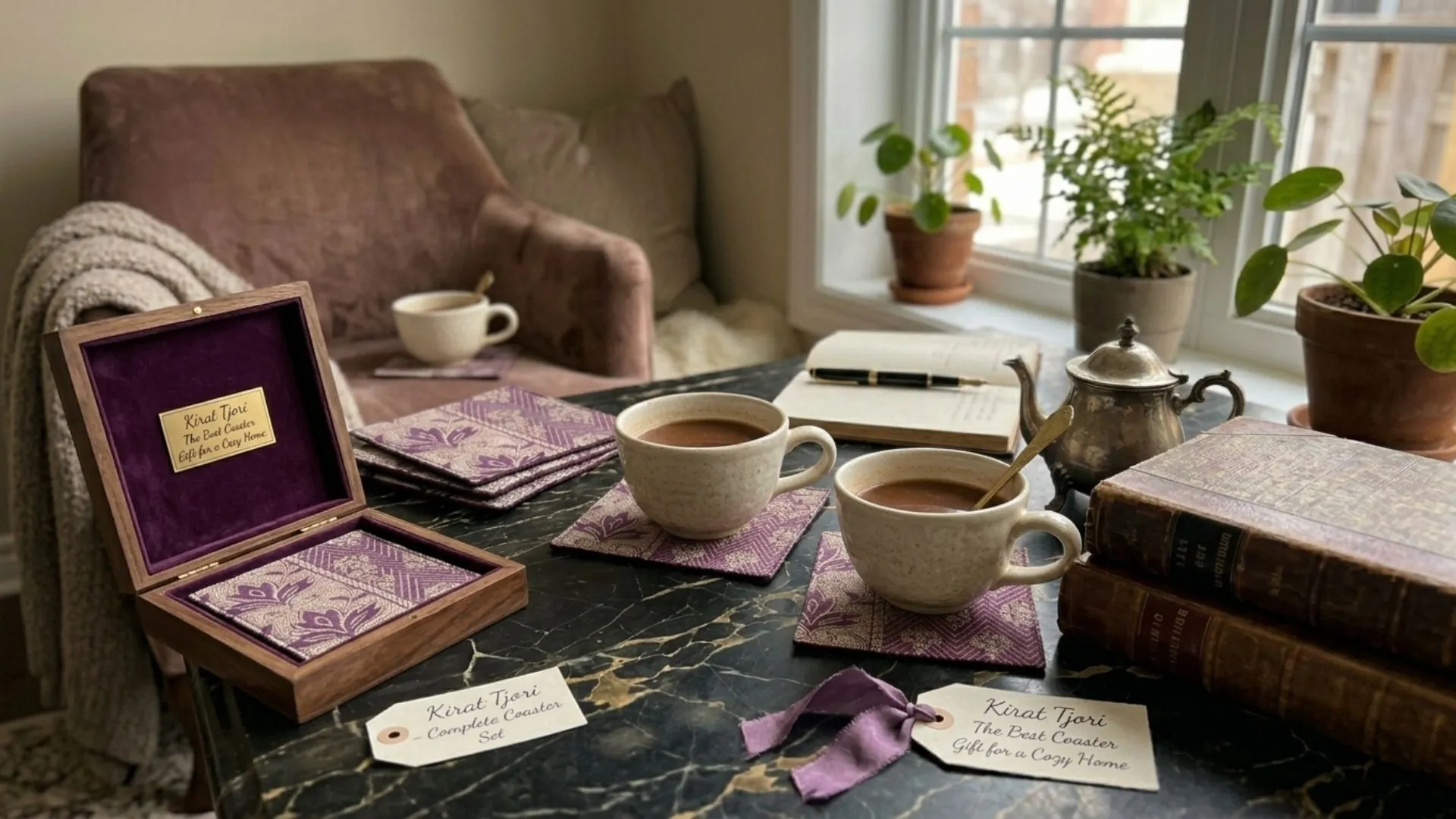
The handcrafted coasters have two functions. First, they offer an element of protection by protecting
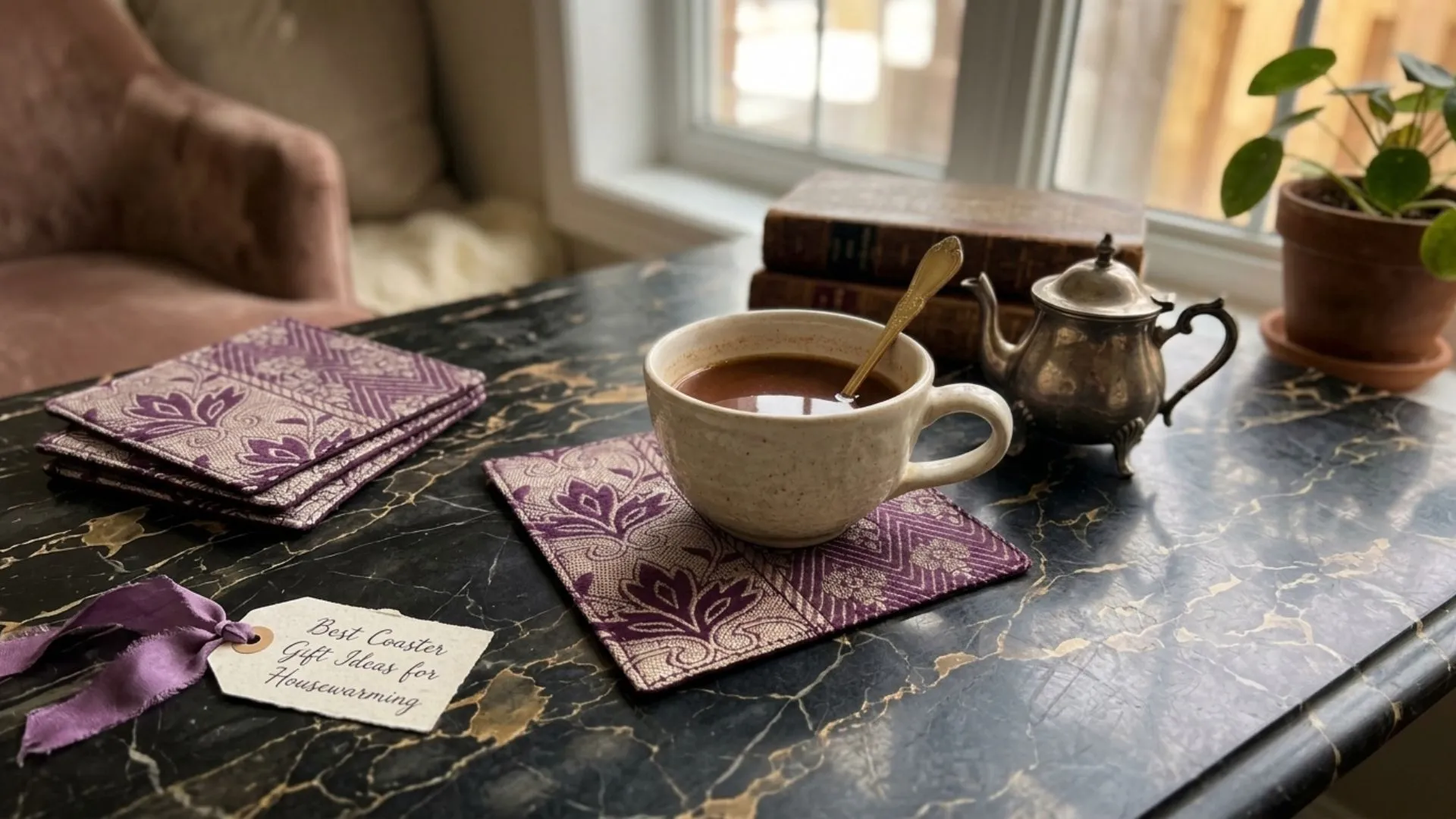
The first house purchase, the new city or the first flat, whatever new phase of