✦ The Soul of Craftsmanship ✦
✦ Handcrafted with love by women artisans ✦
✦ The Art of Detail ✦

The price difference between a handcrafted one and a mass-produced bag looks confusing when seen at first glance. The buyers always think a lot about the prices of these potli bags. While one bag costs a few hundred rupees, the other potli bag is significantly priced higher. The basic answer to this is that you need to understand what goes into making it. Therefore, having a basic understanding of the handcrafted potli bag cost becomes important, as it goes beyond the final price tag and also assesses the labour, time, materials, and ethics.
When there is a comparison between handicraft vs fast fashion, it is not just about the products. It is about comparing two entirely different systems of production.
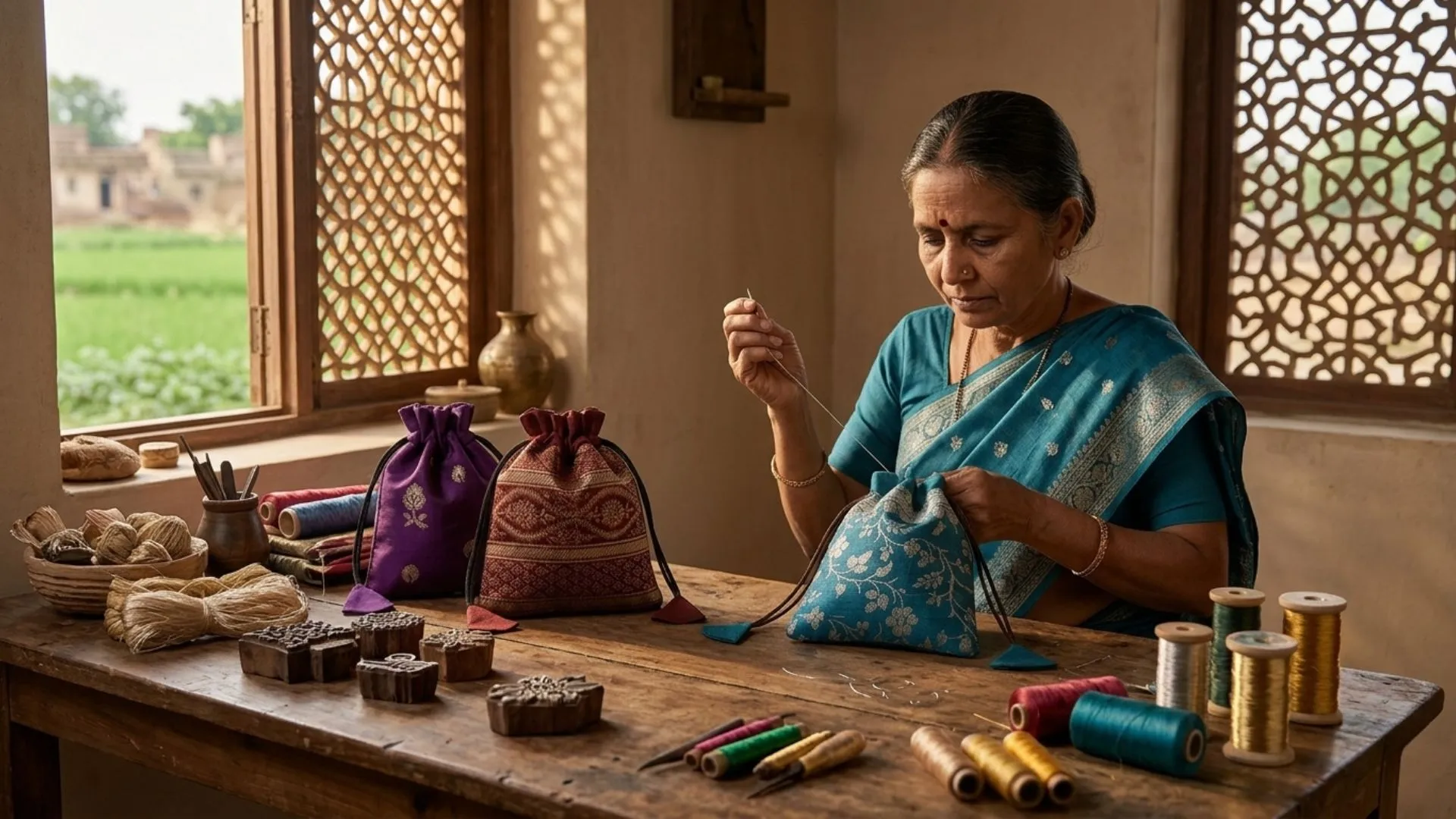
There are often numerous artisans working on diverse aspects of the bag. This helps in building a handcrafted potli bag cost step by step.
This layered process contributes directly to the true cost handcrafted bag carries.
Time is one of the biggest factors in the making of the handcrafted potli bag cost in the list of handmade products.
In fast fashion, speed is prioritised. In handicrafts, quality and craft take precedence.
A key part of understanding the cost of a handcrafted potli bag is labor.
The conversation around artisan wages India fair trade is central here. Paying artisans fairly increases the product cost, but it also ensures sustainability in the ecosystem.
Fast fashion operates on a completely different model.
While this makes products affordable, it often comes at the cost of quality, durability, and ethical practices.
The question often asked is simple: why is handmade expensive?
The answer lies in value, not just price.
What you pay for is not just the product, but the process behind it.
A fast fashion bag may cost less upfront but often needs replacement sooner.
In contrast, a handcrafted potli is designed for repeated use across occasions, making it more cost-effective in the long run.
Low-priced items often come with hidden costs that are not visible to the consumer.
Understanding the true cost handcrafted bag helps shift focus from price to impact.
You are looking at more than just a number when looking at the handcrafted potli bag cost. This product is a pure reflection of ethical production, material quality and time. Hence, the difference between handicraft vs fast fashion is not merely about affordability; it is about how to choose to support the bag. The handcrafted products in the market cost more upfront, but they also offer authenticity, durability and are also more responsible approach to fashion.
If you are looking to invest in accessories that reflect real craftsmanship and fair production, exploring Kirat Tjori’s collection of handcrafted potli bags allows you to choose pieces that justify their value while supporting artisans and preserving traditional techniques in a meaningful way.
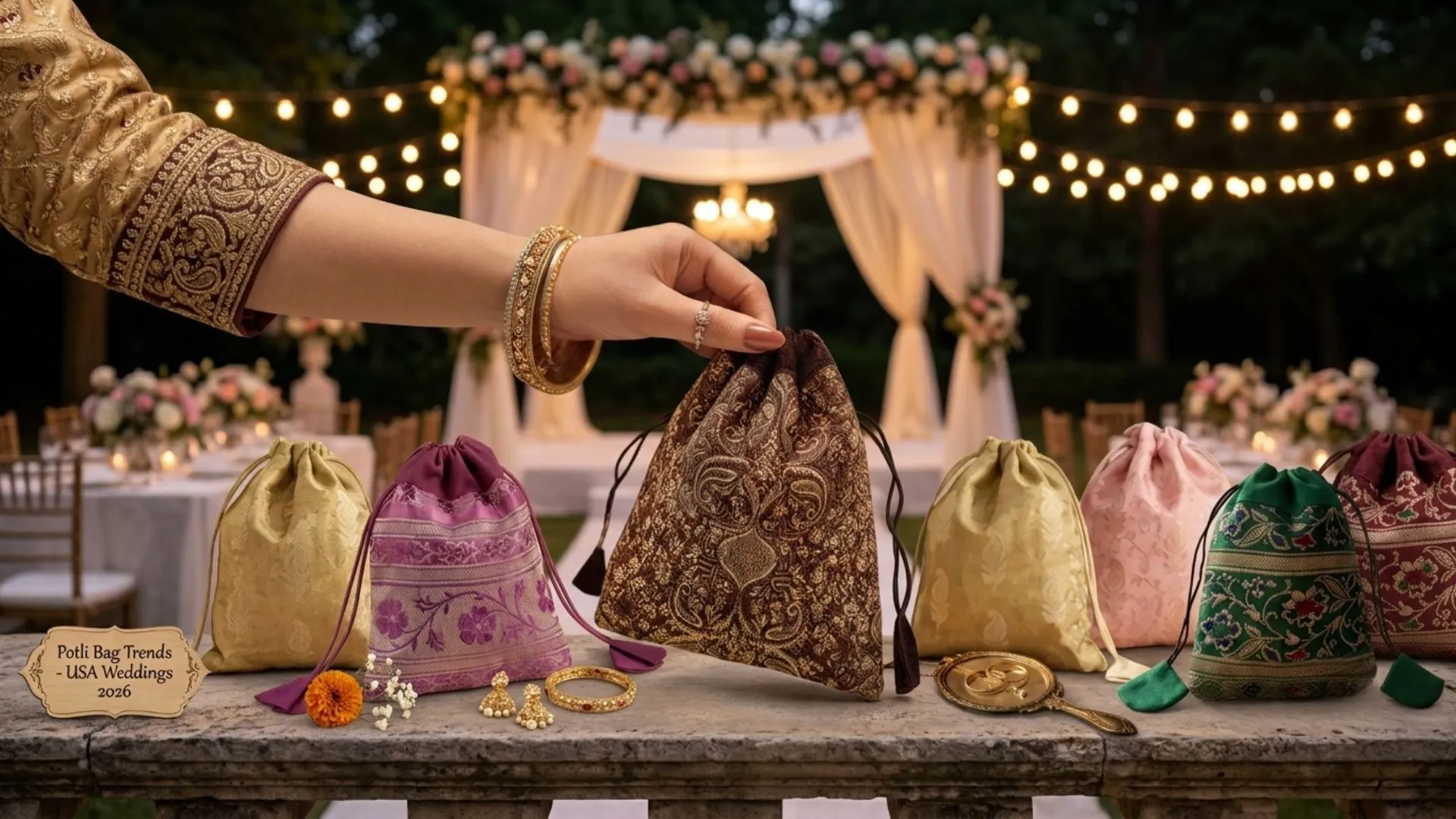
The Potli bag trends has increasingly become popular in the USA for the past few
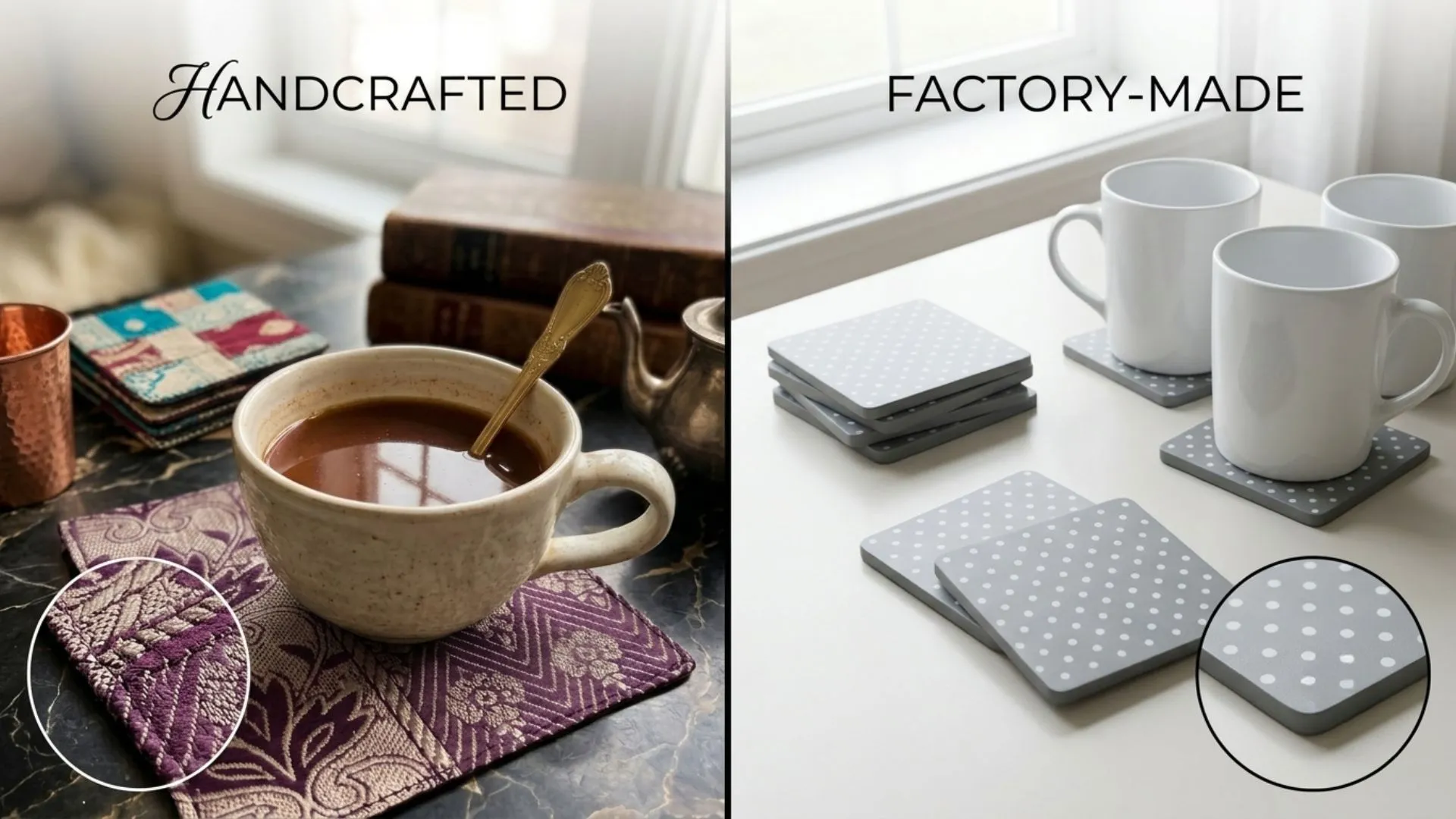
When you are looking for table decorations for coasters, it’s easy to think of all
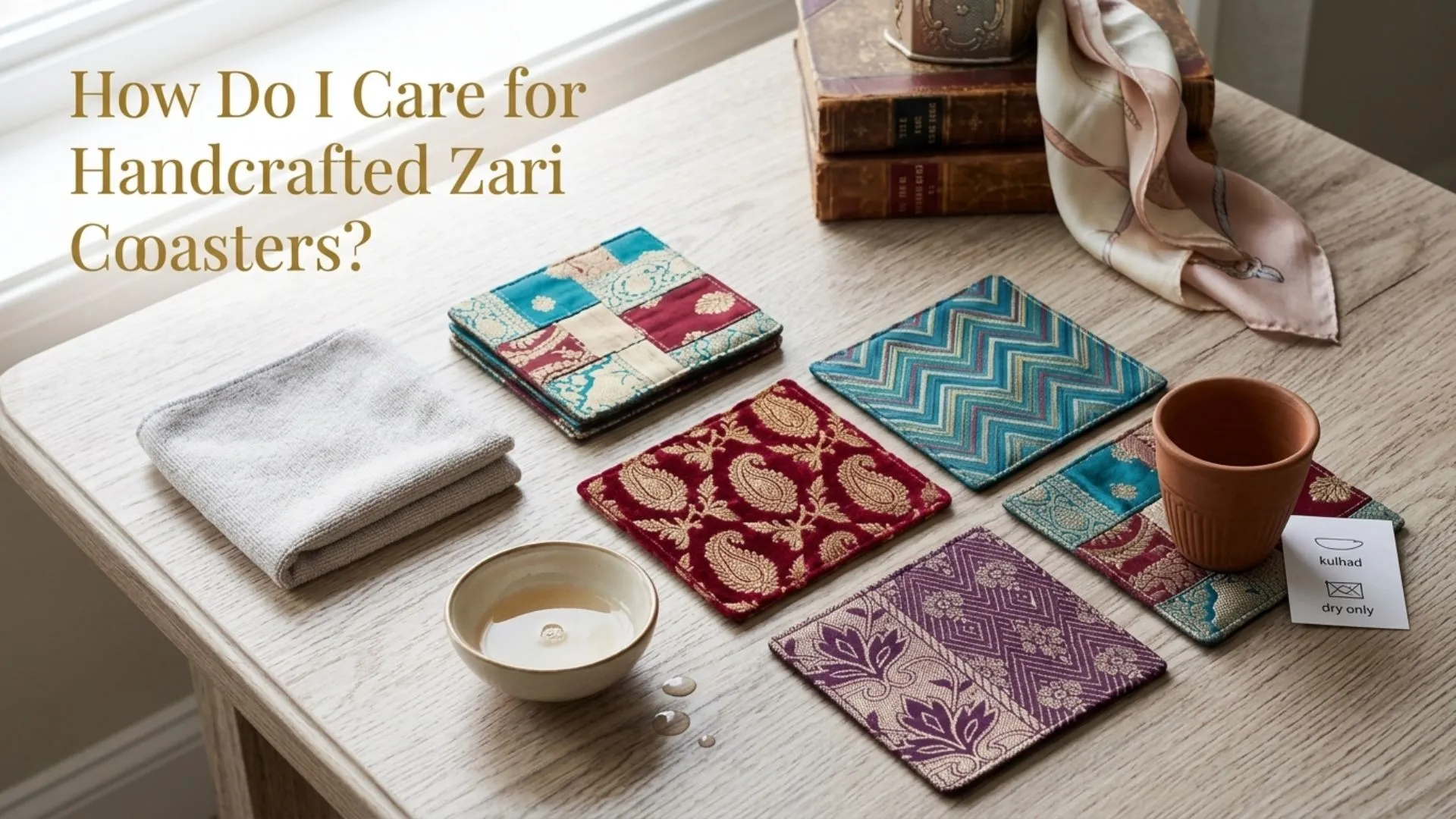
A table can be made to look more elegant with a beautiful set of handcrafted
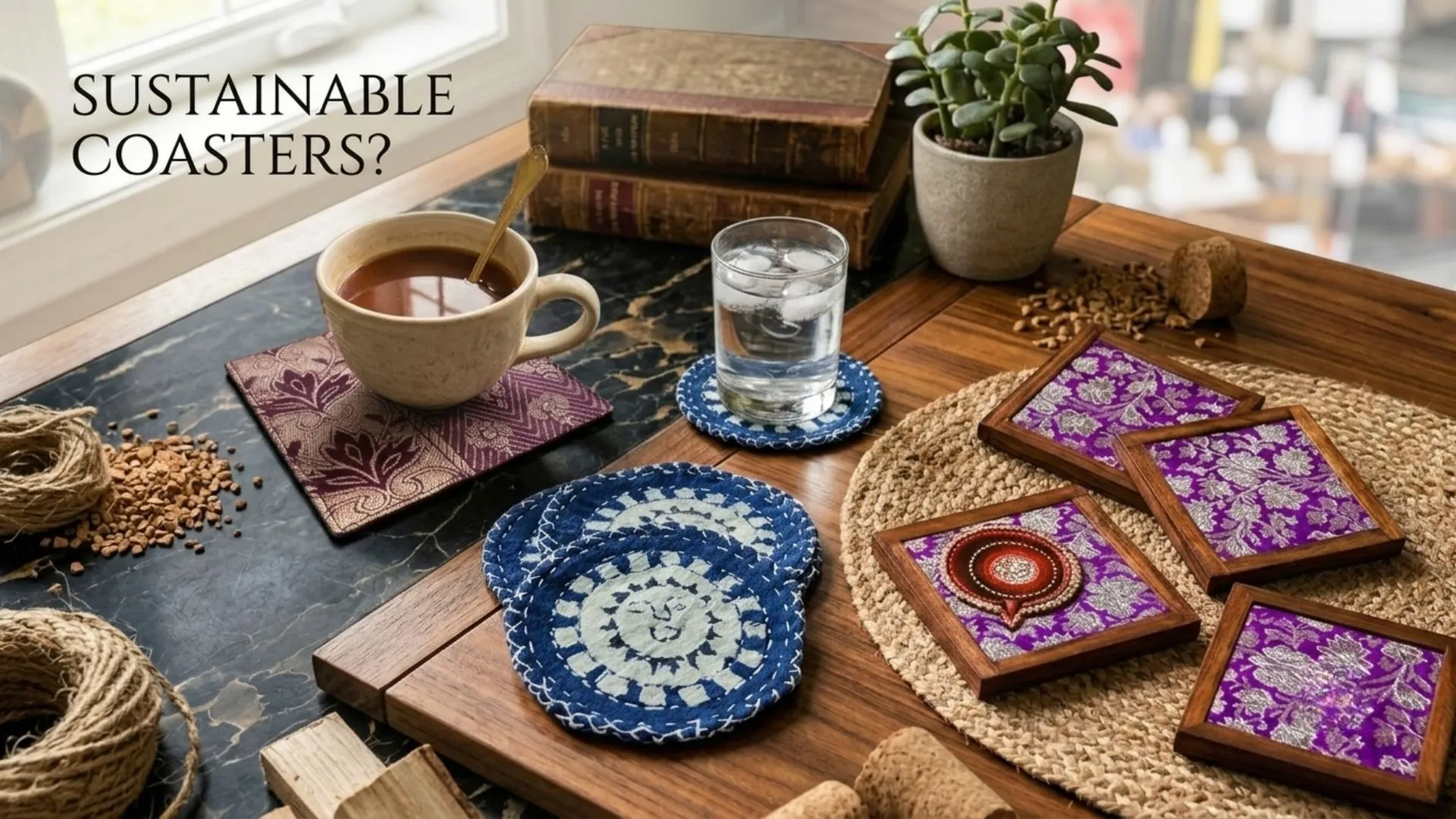
Small choices are often the factors behind the customer’s shifting their preferences to sustainable living.
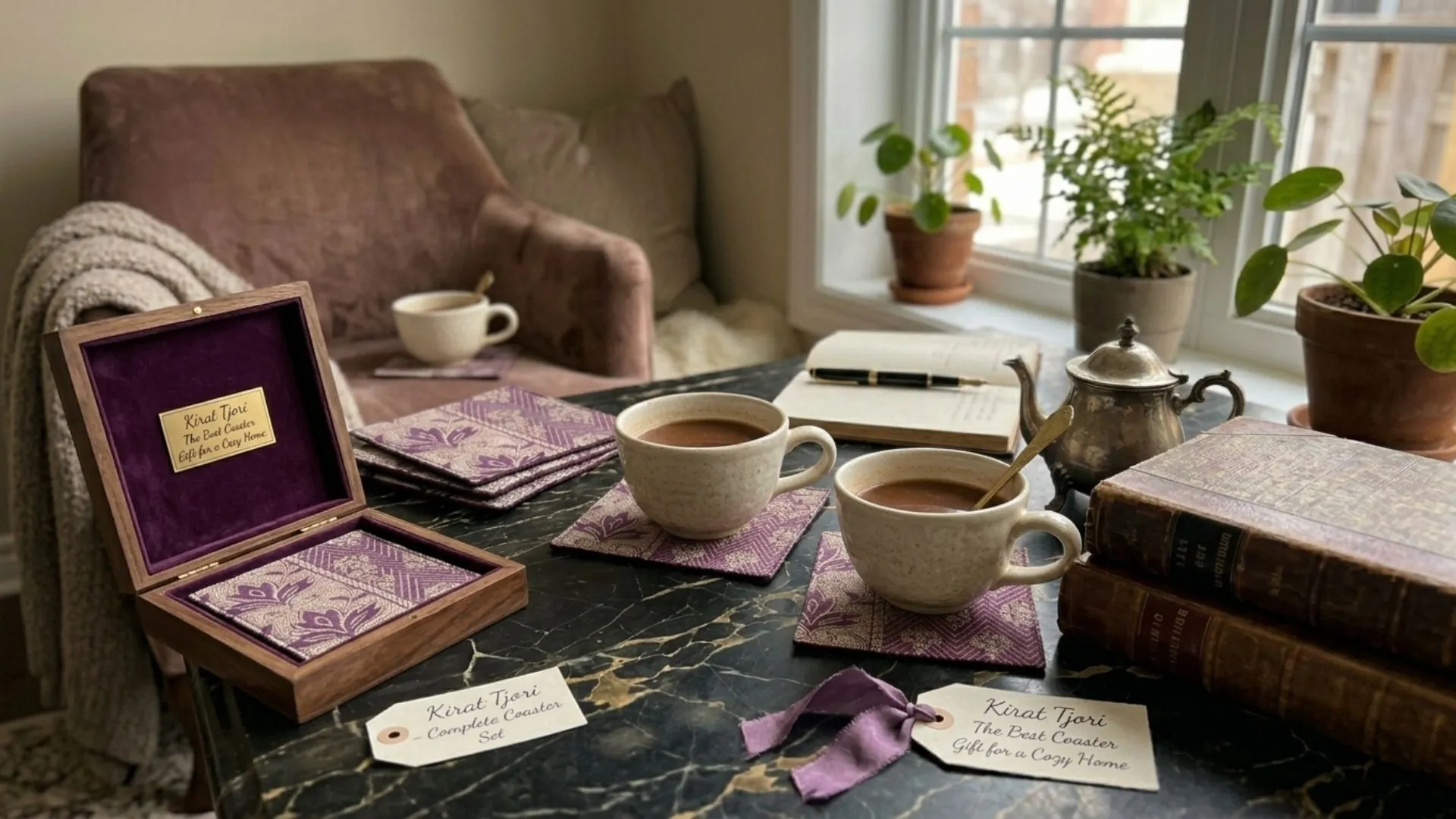
The handcrafted coasters have two functions. First, they offer an element of protection by protecting
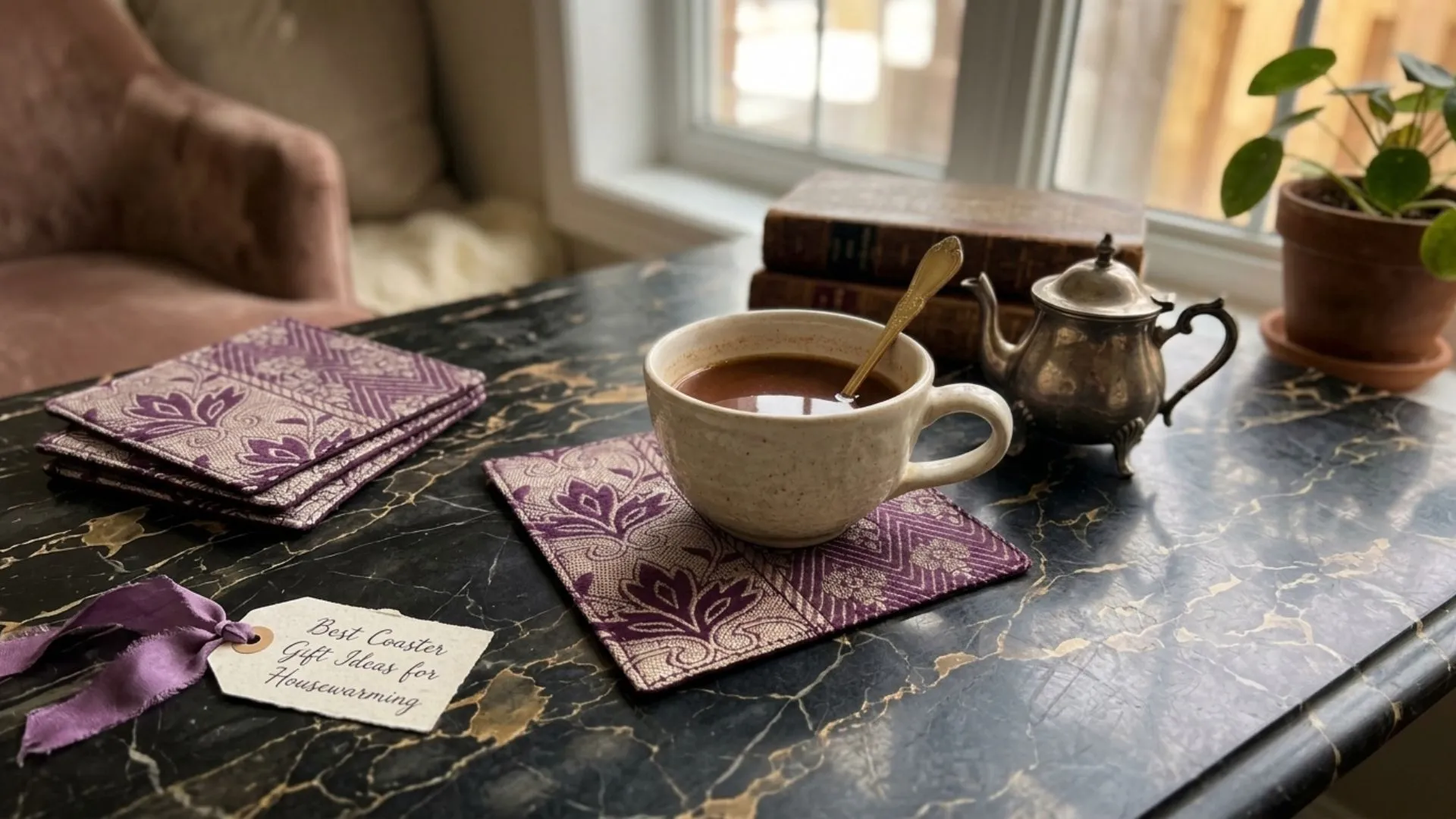
The first house purchase, the new city or the first flat, whatever new phase of