✦ The Soul of Craftsmanship ✦
✦ Handcrafted with love by women artisans ✦
✦ The Art of Detail ✦

In case you have been following fashion trends in the recent past, then you must have realised that potli bags have resurfaced in weddings, festive events and even in the current everyday styling. What was perceived as a rather traditional accessory is being reintroduced as more versatile and modern. From bridal attire to more casual fusion attire, potlis are making their way into the wardrobes that appreciate both tradition and customisation. This new fascination is not merely related to aesthetics. It embodies a larger trend of crafted goods, narratives of culture, and of sustainability. To really appreciate this change, one needs to peek beyond the trend and find out what is a potli bag, its origin and why it still remains popular across generations.
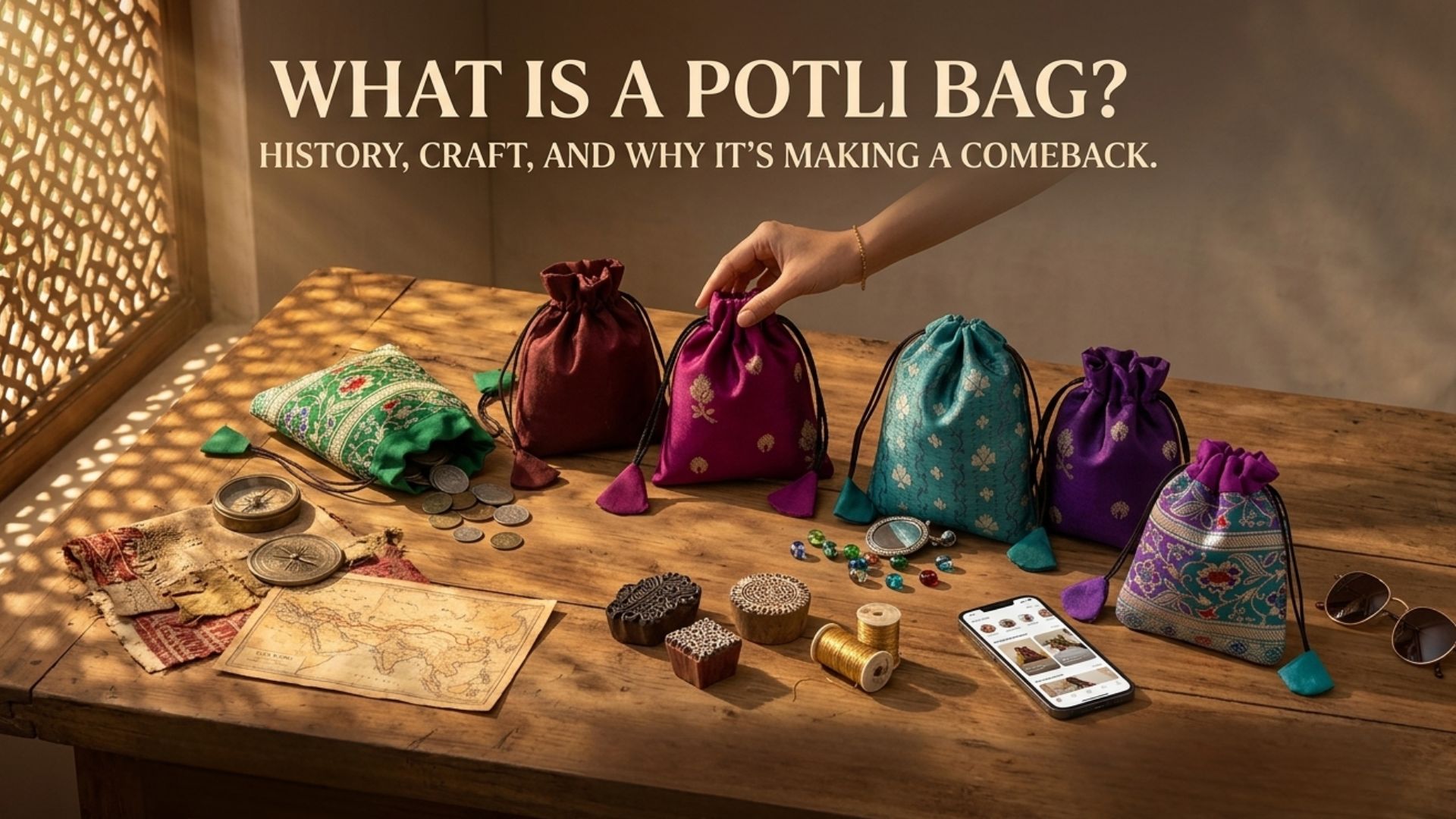
A potli bag is basically a small bag that has a drawstring fastening. It is loose-gathered in shape and is typically fashioned out of fabric and not leather or synthetic materials. It is commonly known as a traditional Indian drawstring bag, and traditionally used to carry coins, jewellery or other small essentials.
It is not the structure but the detailing that is unique. Most of the design is realised on the surface of a potli, whether by embroidery or beadwork.
Potli bag history India was invented in the royal India. These bags were not mere functional bags during the time of the Mughals.
In the course of time, potlis stopped being located in royal courts and became a part of ordinary life. Women in all parts of the world used them as storage, transportation and during ceremonies. The potli bag history India demonstrates how an item can become a luxury and then a means of everyday use and continue to be culturally significant.
One of the biggest reasons potli bags have endured is the craftsmanship behind them. They are a strong example of handicraft potli bags India continues to produce.
Artisans work with a range of materials and techniques:
Because many potlis are handmade, each piece carries slight variations. That is part of their appeal. They feel personal, not mass-produced.
Potli bags have always been closely linked to Indian traditions.
Even today, they continue to show up in celebrations, which has helped them stay familiar across generations.
The comeback of potli bags is tied to how fashion is changing.
1. Shift Toward Fusion Styling
People are mixing traditional and Western pieces more than before. Potlis fit easily into this mix, whether paired with a saree or a dress.
2. Growing Interest in Handcrafted Products
There is a clear move toward items that feel handmade and authentic. Potlis fall directly into this space.
3. Focus on Sustainability
Fabric-based accessories are reusable and long-lasting, making them a better choice than disposable or synthetic options.
4. Wider Design Options
Today’s potlis are not limited to heavy, festive styles. There are minimal designs, structured versions, and even crossbody options.
5. Global Visibility
Potli bags are now being styled internationally, often as statement accessories with modern outfits. This has expanded their reach beyond traditional settings.
Designers have adapted potlis to suit current lifestyles without changing their core identity.
These updates make potlis more practical while keeping their original charm intact.
So, what is a potli bag today? It is more than just a small pouch. It is a historical artifact, a kind of workmanship, and, today, a contemporary addition that can be worn easily in various styles. Since its origin in the Mughal era potli, it has been able to change without losing its core until it is used in modern fashion. Potli bags are not only returning, as the popularity of hand-crafted and meaningful products swells. They are rising to be a staple once again.
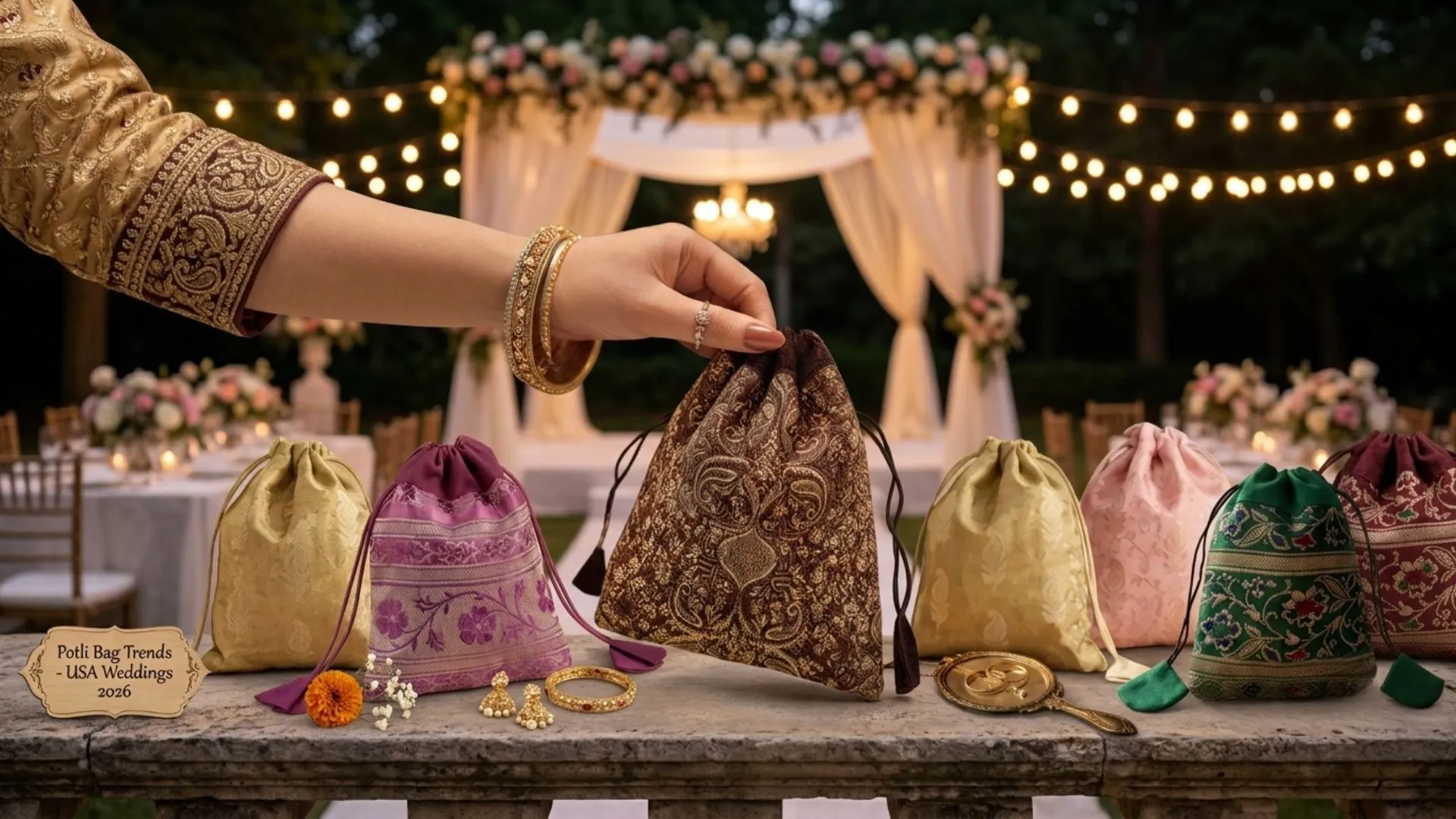
The Potli bag trends has increasingly become popular in the USA for the past few
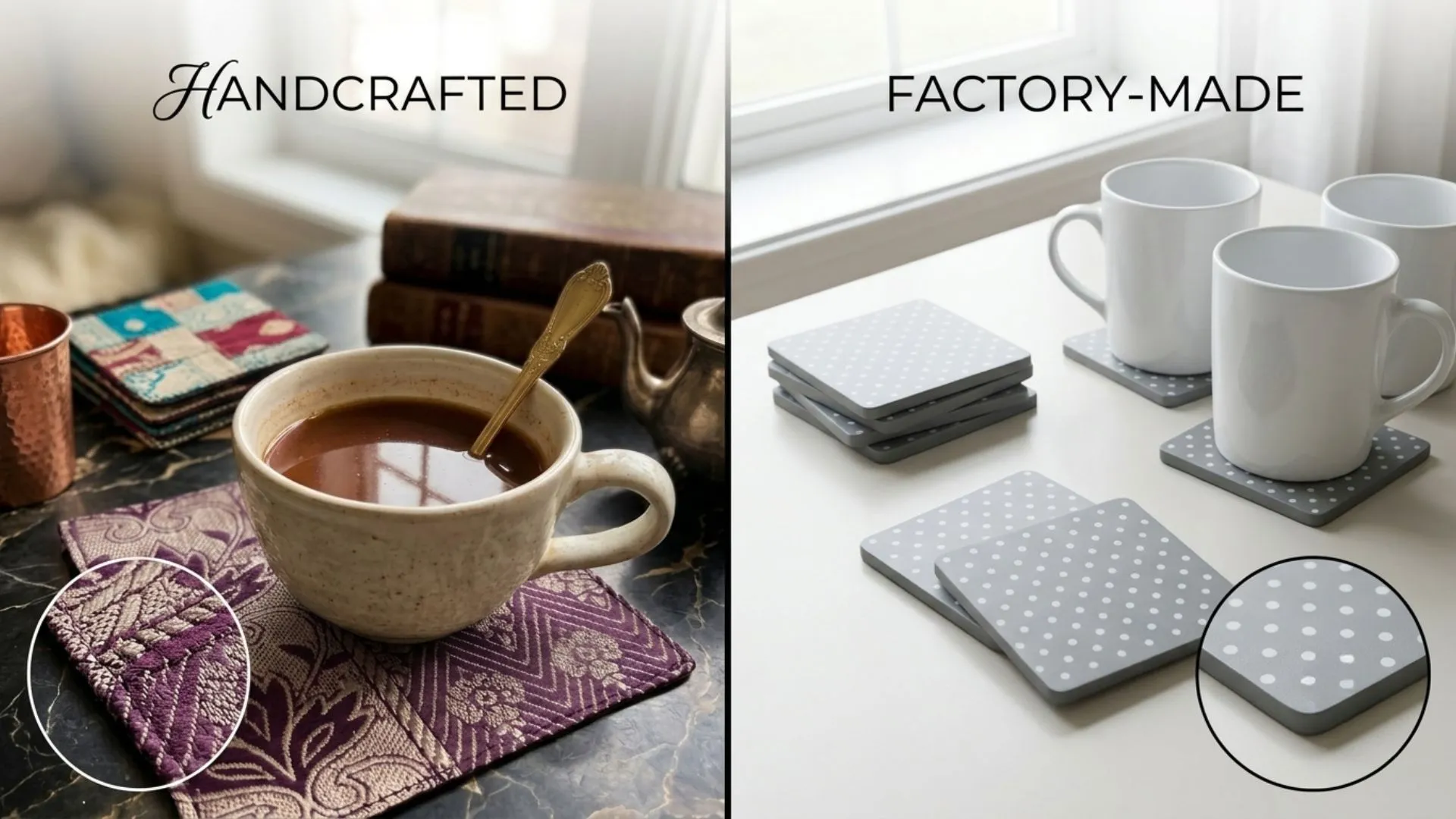
When you are looking for table decorations for coasters, it’s easy to think of all
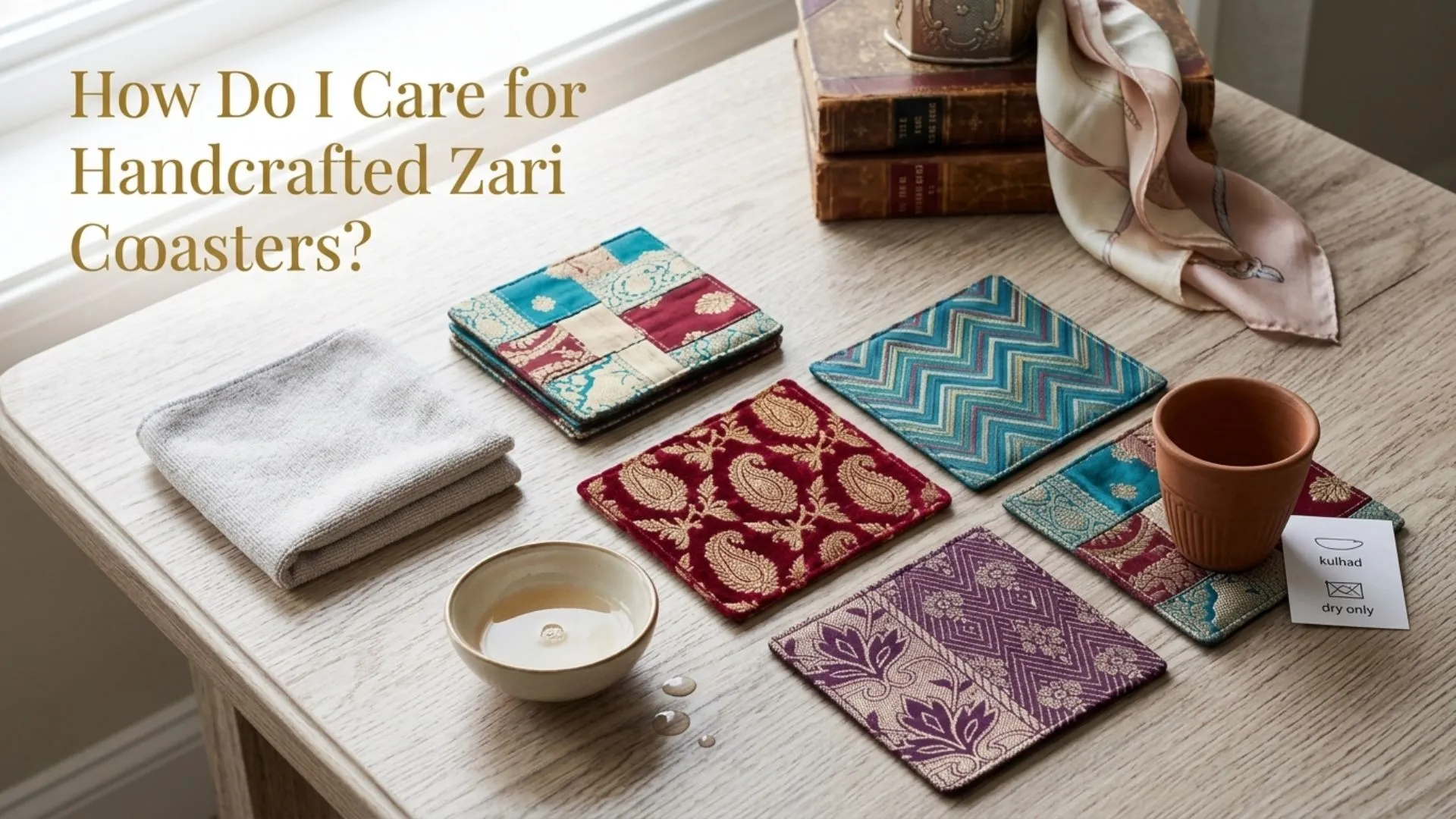
A table can be made to look more elegant with a beautiful set of handcrafted
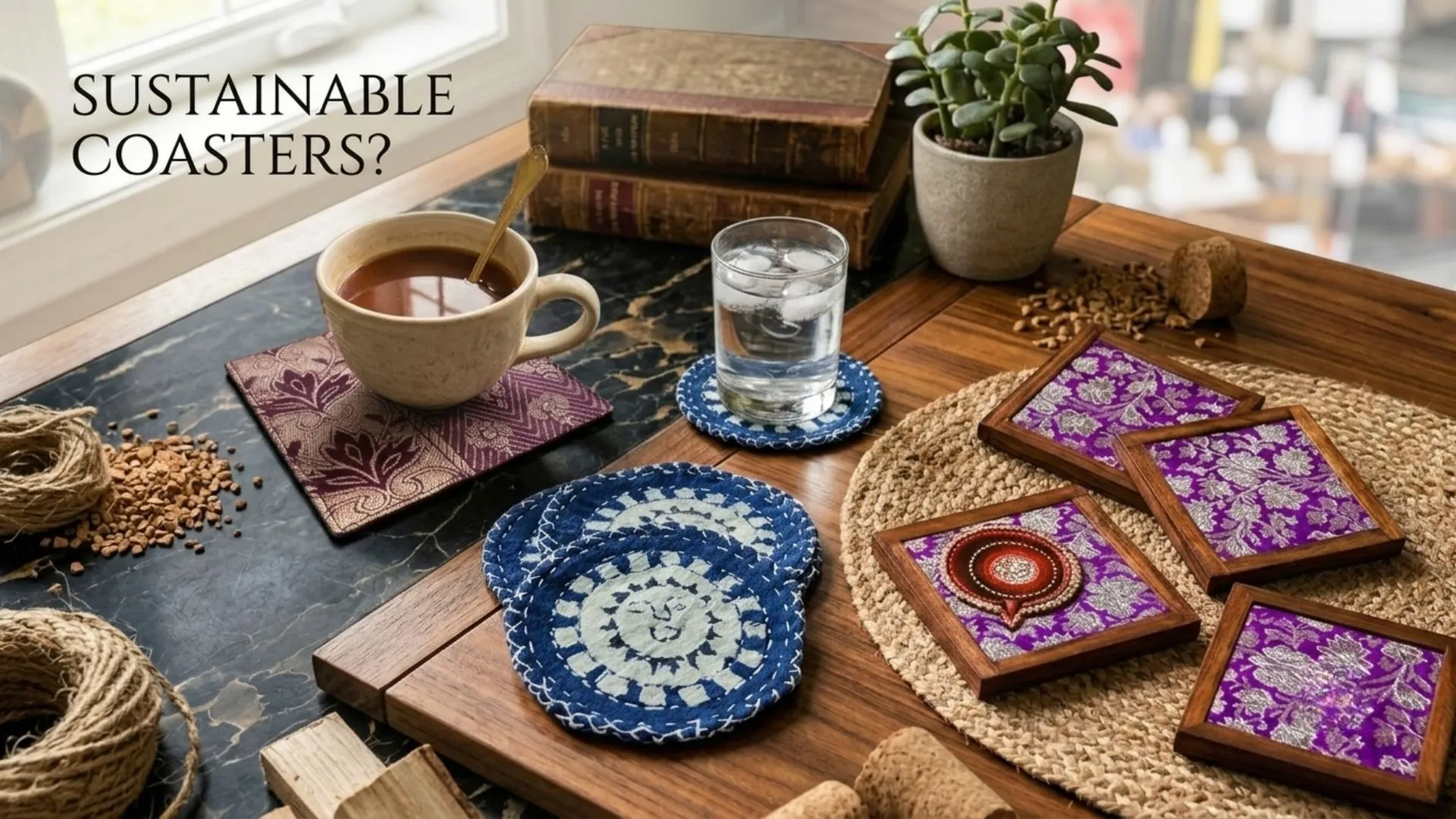
Small choices are often the factors behind the customer’s shifting their preferences to sustainable living.
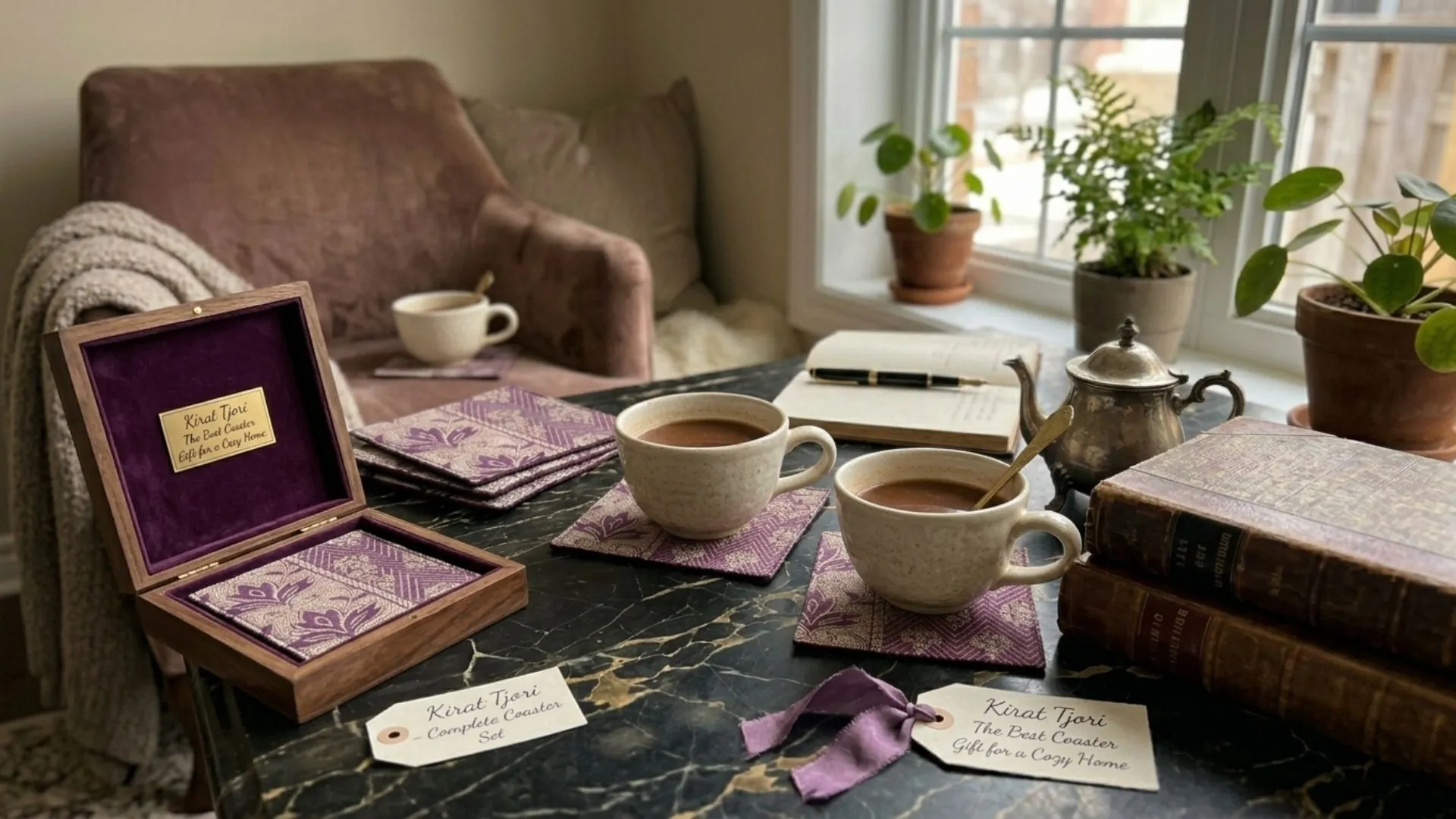
The handcrafted coasters have two functions. First, they offer an element of protection by protecting
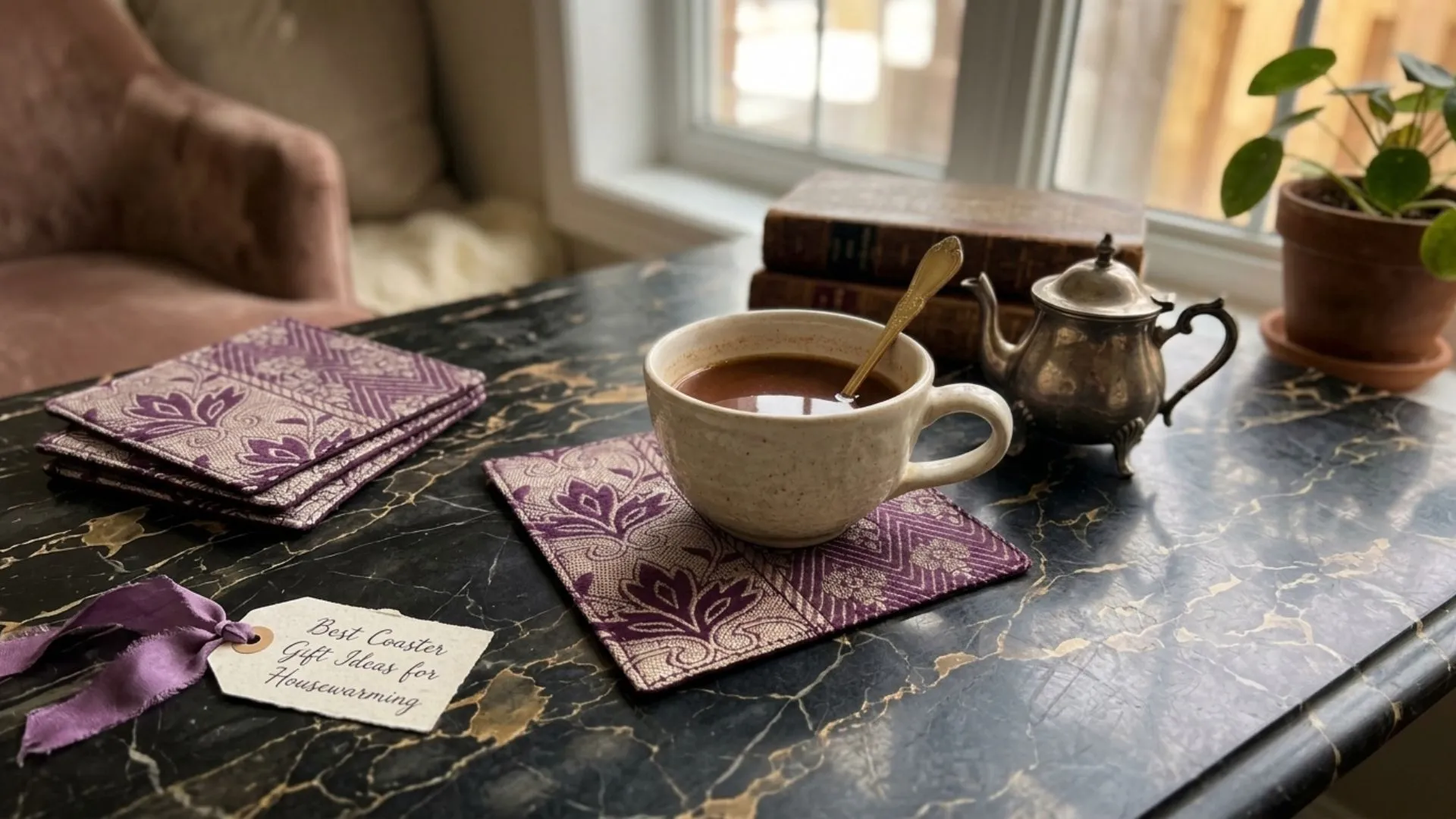
The first house purchase, the new city or the first flat, whatever new phase of